Fewer pills, better adherence? What the evidence on medication adherence says
About half of patients with chronic conditions do not take their medicines as prescribed. What combination products can change.
Laxxon Editorial
Scientific editorial team
A problem of global scale
The World Health Organization put a number on the issue as early as 2003 in its report “Adherence to long-term therapies: evidence for action”: in developed countries, adherence to long-term therapies averages only about 50 percent, and it is lower in developing countries. The WHO states: “Poor adherence is the primary reason for not achieving the full health benefits medicines can provide.”
The consequences range from complications and lower quality of life to resistance and avoidable costs for health systems. The WHO explicitly warns against blaming patients: health systems and care providers have a major influence on adherence.
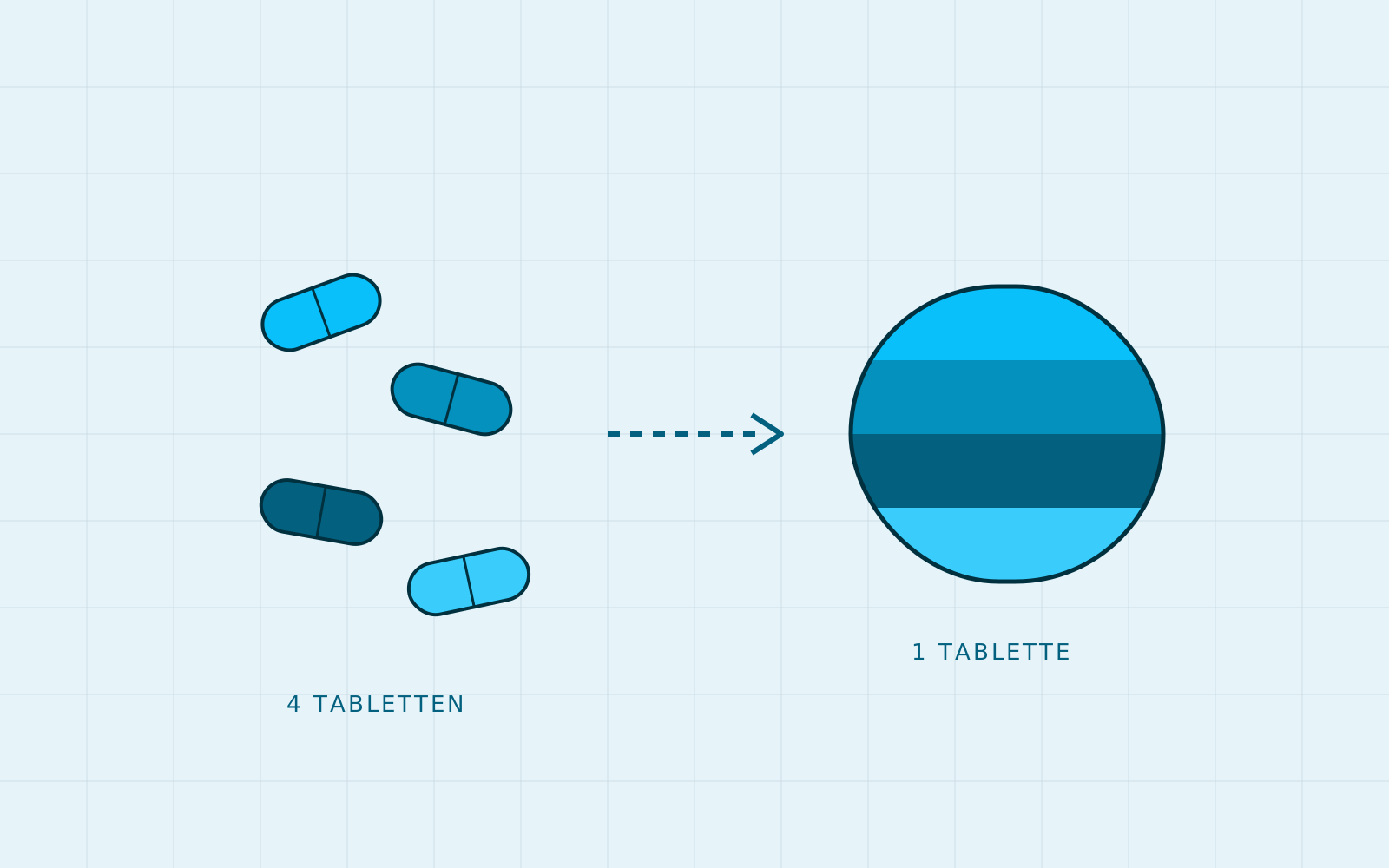
What one tablet instead of many can do
A common obstacle is the complexity of therapy: several products, several times of day. How much simplification can achieve is shown by the UMPIRE trial, published in JAMA in 2013. 2,004 patients at high cardiovascular risk received either usual care with separate products or a so-called polypill that combines several active ingredients in one tablet.
At the end of the study, 86.3 percent of the polypill group were taking their medication, compared with 64.7 percent in the comparison group. Among those who were not taking all recommended medicines at the start, adherence rose from 23 to 77 percent with the polypill. Blood pressure and LDL cholesterol were slightly lower; the trial was not designed to show effects on cardiovascular events.
The simpler a therapy is in everyday life, the greater the chance that it is taken as intended.
What the manufacturing process can contribute
This is where technologies come in that combine several active ingredients or release profiles in one dosage form. Evonik, which invested in Laxxon in 2022, expects printed tablets with targeted release to cause fewer side effects and require fewer tablets per day, which could reduce missed doses. According to the company, Laxxon only combines active ingredients in one tablet that are also usually given together in clinical practice, such as levodopa and carbidopa.
Whether results such as those from UMPIRE carry over to printed combination products will have to be shown by dedicated clinical studies. The direction, however, is clear: the simpler a therapy is in everyday life, the greater the chance that it is taken as intended.
Sources
- 01World Health Organization (WHO), Failure to take prescribed medicine for chronic diseases is a massive, world-wide problem (July 2003)
- 02MDedge, Cardiovascular polypill improved medication adherence (summary of the UMPIRE trial, Thom S. et al., JAMA 2013; 310: 918–929)
- 03Evonik Industries / Laxxon Medical, Evonik Industries and Laxxon Medical see future in 3D screen printed pharmaceuticals (March 2022)
- 043D ADEPT Media, Understanding SPID®, Laxxon’s Screen Printed Innovative Drug Technology and its business model (July 2023)
This article is an editorial summary of the sources above, with short verbatim quotes. Company statements are marked as such. The content provides technical information and is not medical advice. As of October 2026.
About Laxxon Medical
About Laxxon Medical
Laxxon Medical develops and manufactures oral dosage forms with SPID®, a patented 3D screen printing process that places each active ingredient in its own compartment and defines how and when it is released. Founded in 2017 and headquartered in New York, with research and development in Jena, Germany, Laxxon holds the exclusive worldwide license to this technology for pharmaceutical use.
Read more
All articles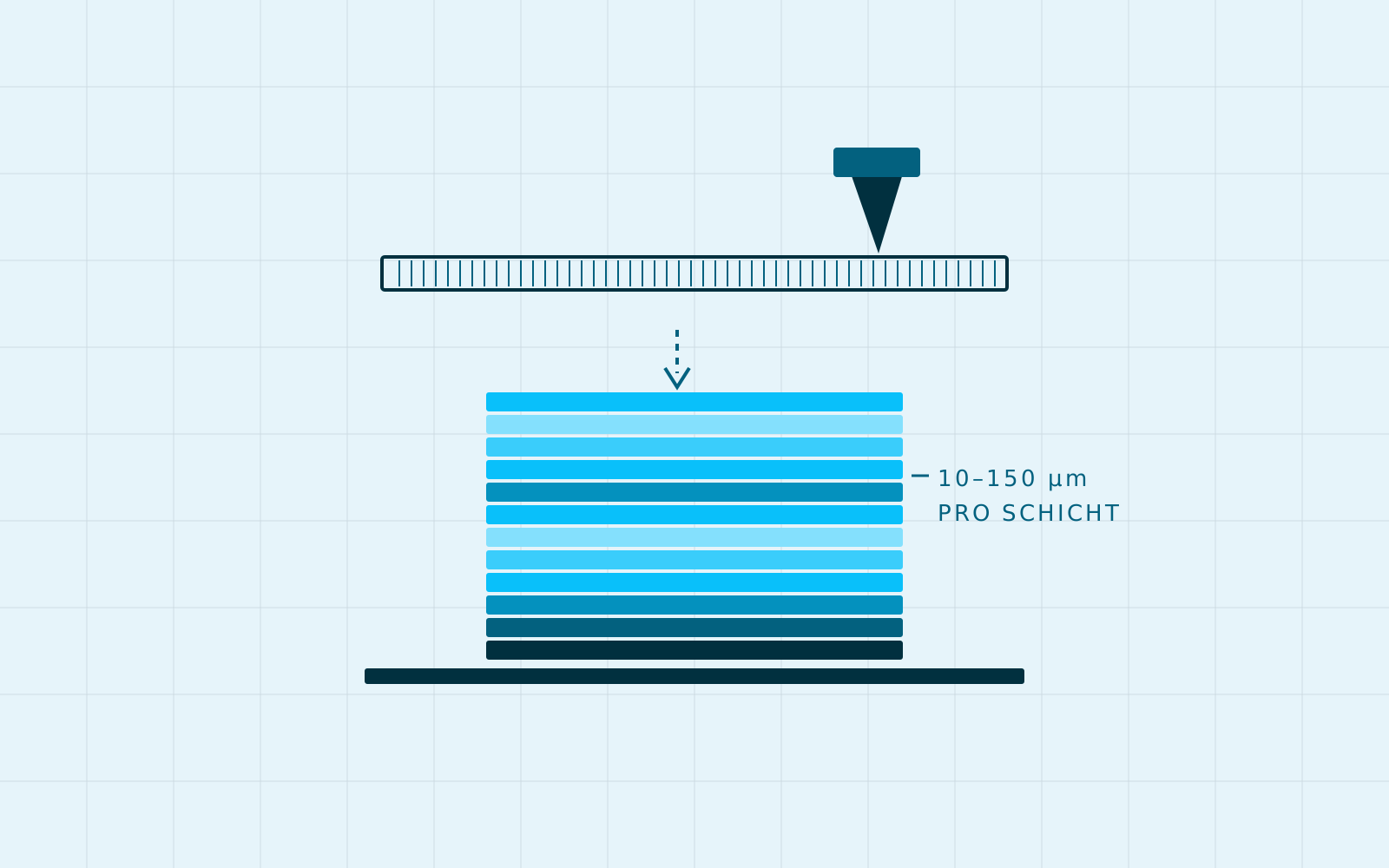
SPID® explained: how 3D screen printing builds a tablet layer by layer
From the screen printing of the graphics industry to a dosage form: why a layer-by-layer process without heat opens up new options for oral dosage forms.
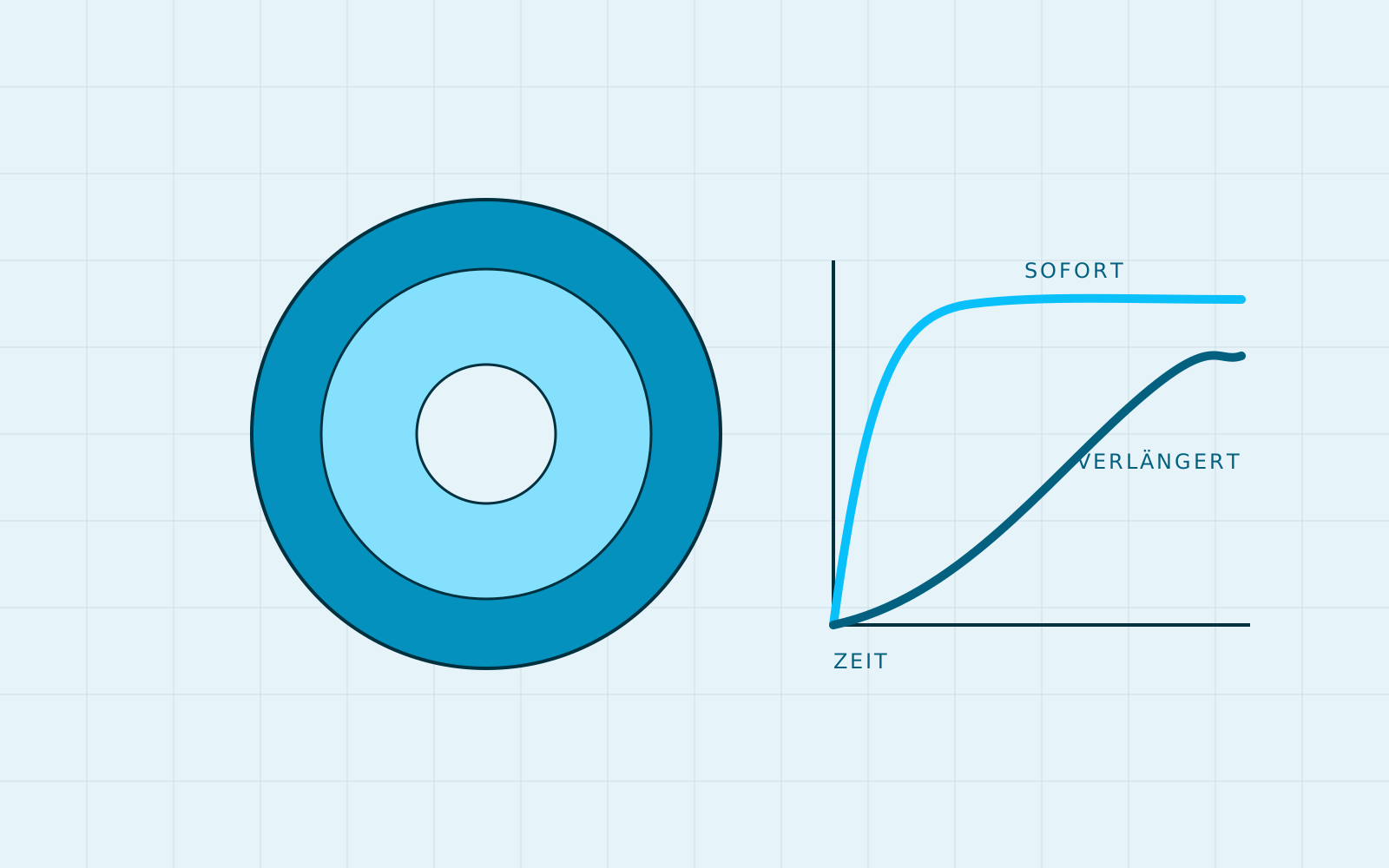
Tailored release: several profiles in a single tablet
Immediate, delayed and extended release in one dosage form: what studies on 3D screen printing show and where the applications lie.
Freigabe prüfenBeitrag mit offenem Prüfpunkt
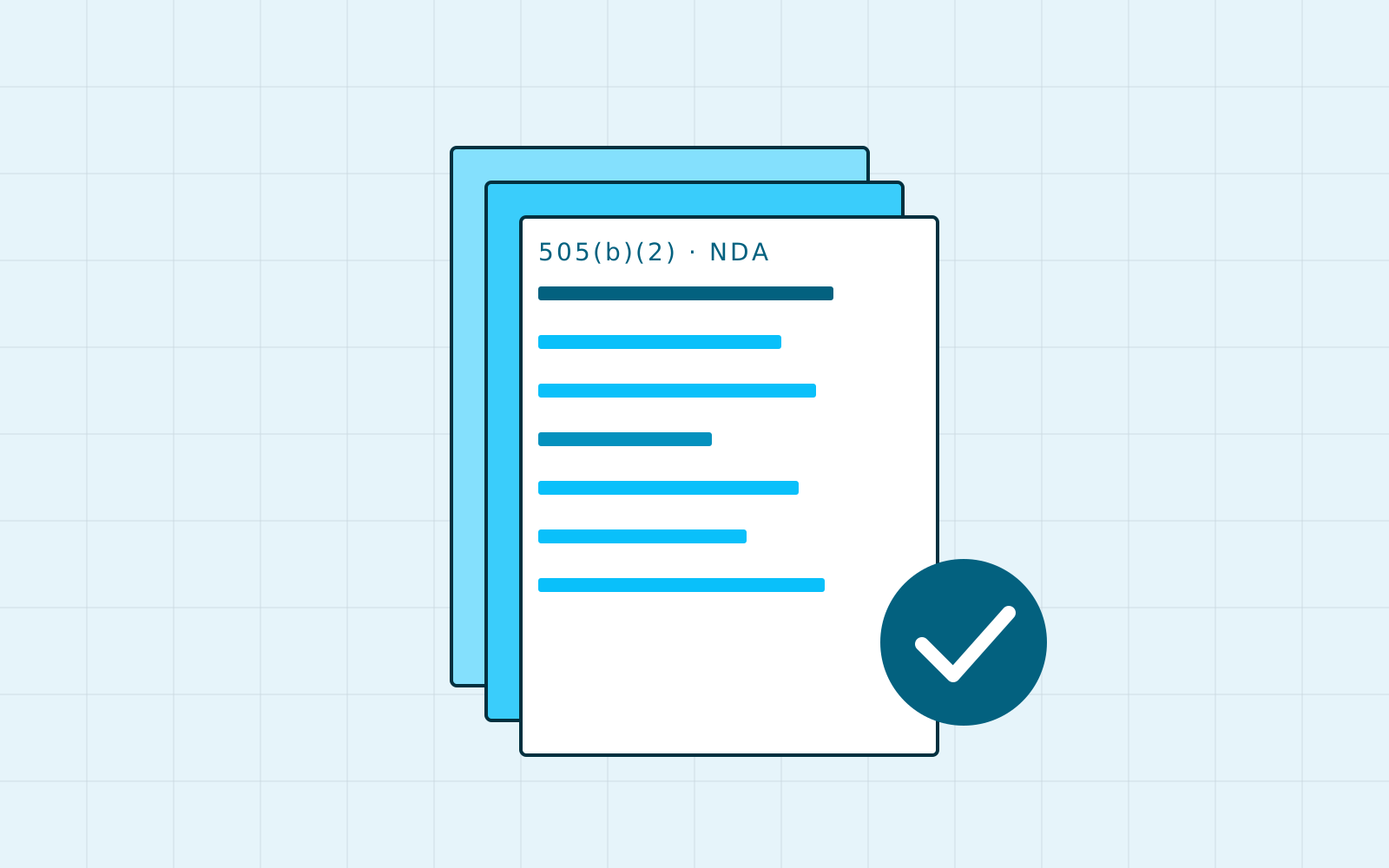
From printing to approval: which routes are open to printed drugs
An FDA-approved 3D-printed tablet has existed since 2015. What the 505(b)(2) route and new FDA programs mean for the industry.