Tailored release: several profiles in a single tablet
Immediate, delayed and extended release in one dosage form: what studies on 3D screen printing show and where the applications lie.
Laxxon Editorial
Scientific editorial team
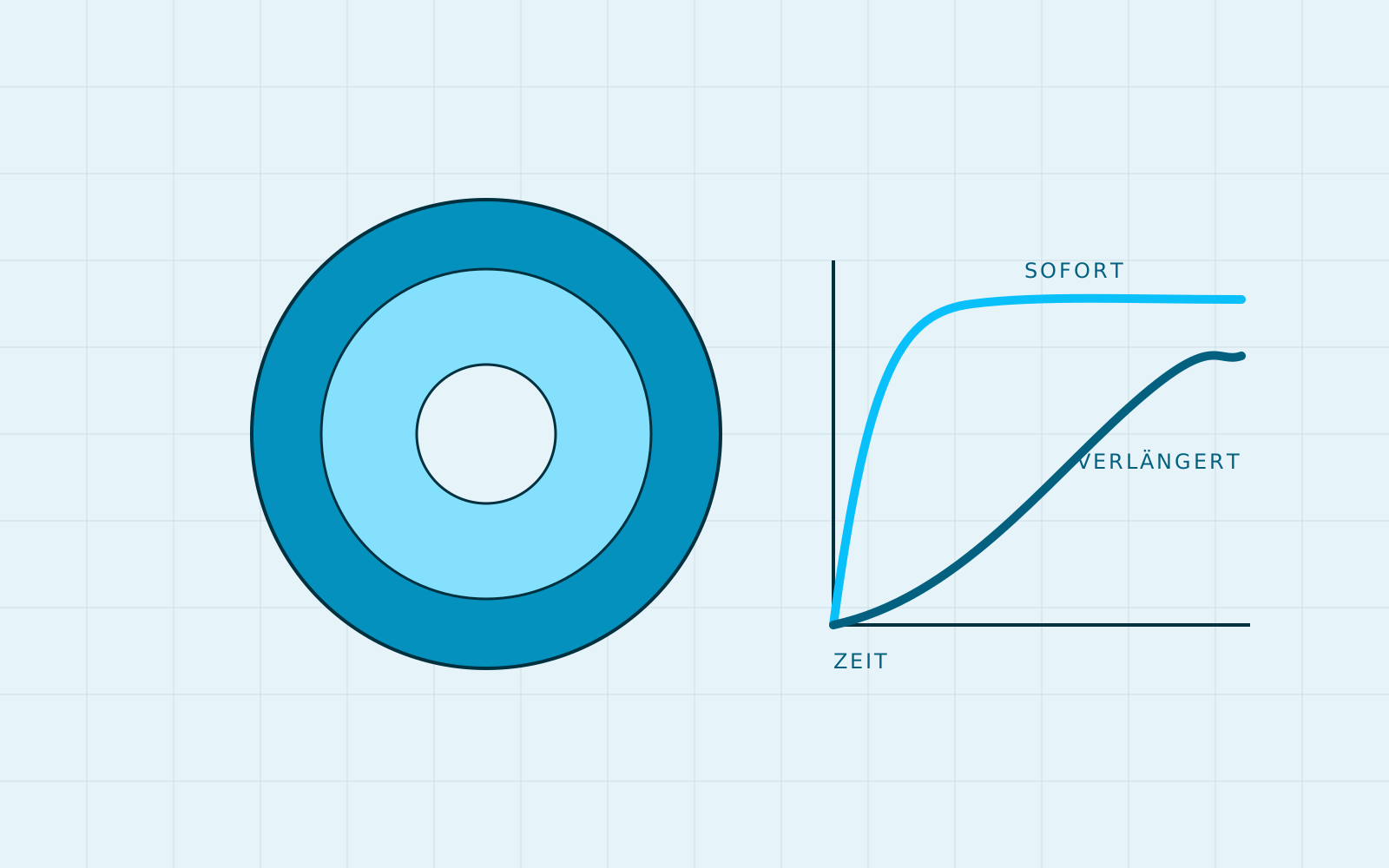
Why the release profile matters
When and how fast an active ingredient is released from a tablet largely determines how it acts in the body. Conventional tablets usually follow one pattern: immediate release, delayed release, or release spread over a longer period (extended release). Combining several profiles usually requires several tablets or elaborate multilayer and coating processes.
What the 2023 study shows
A paper published in the International Journal of Pharmaceutics in 2023 by researchers from Friedrich-Alexander-Universität Erlangen-Nürnberg and Laxxon Medical (Enke et al.) examined exactly this combination. From two paracetamol pastes, one immediate-release and one extended-release, disc- and ring-shaped tablets were printed that bring both compartments together.
The tablets were uniform in size and mass and met the European Pharmacopoeia criteria for breaking strength and friability. The decisive result concerns release: it depended both on the paste materials and on the size of the individual compartments. The profile can therefore be set through formulation and geometry; the authors speak of “freely tailorable release profiles” in the title of their paper.
The preceding 2021 study had already shown that release from printed tablets depends on the ratio of surface area to volume, and thus directly on the shape defined by the screen.
Through formulation and geometry, the release profile becomes something that can be designed.
Possible applications
Several approaches follow for practice. Adare and Laxxon name, among others, combining immediate, extended and delayed release in one tablet, several active ingredients each with its own profile in one dosage form, adapted pharmacokinetics, and forms that are easier to swallow.
One example from development at Laxxon concerns Parkinson’s therapy: in 2023 the company described a levodopa product intended to release its active ingredient only eight to nine hours after intake. The aim is to reduce so-called freezing of gait, sudden blockages while walking. Similar questions arise with peptides such as GLP-1 receptor agonists, which must be protected in the gastrointestinal tract and supported in their absorption.
Preclinical data on the Parkinson’s application are now available: in a pilot study in pigs published in Pharmaceutics in 2025, LXM.5, a tablet with carbidopa and levodopa in separate compartments, released the two active ingredients one after the other. Depending on the variant, levodopa exposure reached 211% and 384% of the standard product Sinemet®, with more even blood levels. The study contains no results in humans.
Sources
- 01Enke M. et al., 3D screen printing technology enables fabrication of oral drug dosage forms with freely tailorable release profiles, Int. J. Pharm. 642 (2023) 123101
- 02Moldenhauer D. et al., 3D screen printing – An innovative technology for large-scale manufacturing of pharmaceutical dosage forms, Int. J. Pharm. 592 (2021) 120096
- 03Adare Pharma Solutions, 3D Printing: Pioneering a new generation of advanced pharmaceuticals
- 043D ADEPT Media, Understanding SPID®, Laxxon’s Screen Printed Innovative Drug Technology and its business model (July 2023)
- 05Enke M. et al., Three-Dimensional Screen Printing Technology Enables Sequential Release of Carbidopa and Levodopa, Pharmaceutics 17 (2025) 1507
This article is an editorial summary of the sources above, with short verbatim quotes. Company statements are marked as such. The content provides technical information and is not medical advice. As of October 2026.
About Laxxon Medical
About Laxxon Medical
Laxxon Medical develops and manufactures oral dosage forms with SPID®, a patented 3D screen printing process that places each active ingredient in its own compartment and defines how and when it is released. Founded in 2017 and headquartered in New York, with research and development in Jena, Germany, Laxxon holds the exclusive worldwide license to this technology for pharmaceutical use.
Read more
All articles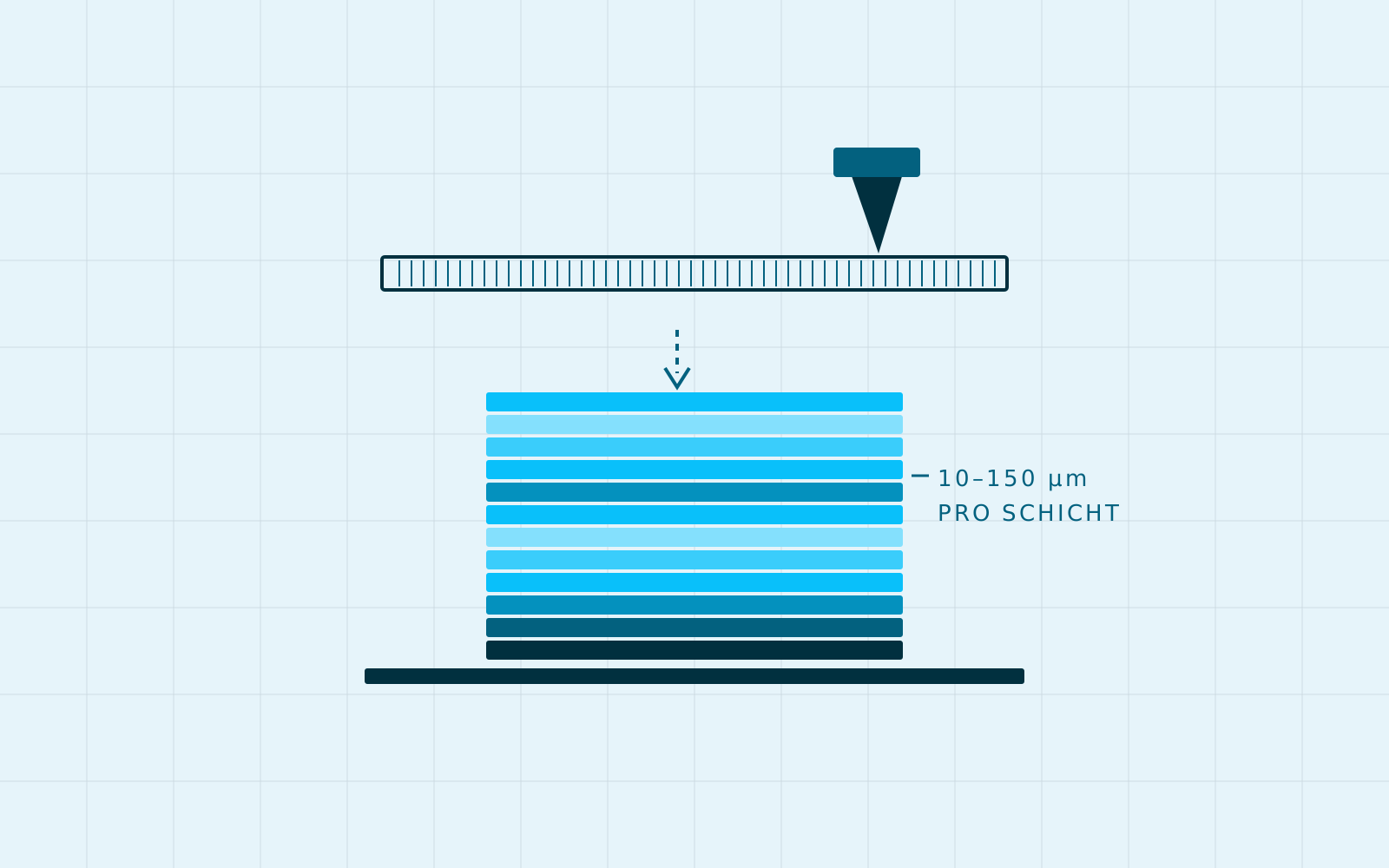
SPID® explained: how 3D screen printing builds a tablet layer by layer
From the screen printing of the graphics industry to a dosage form: why a layer-by-layer process without heat opens up new options for oral dosage forms.
Freigabe prüfenBeitrag mit offenem Prüfpunkt
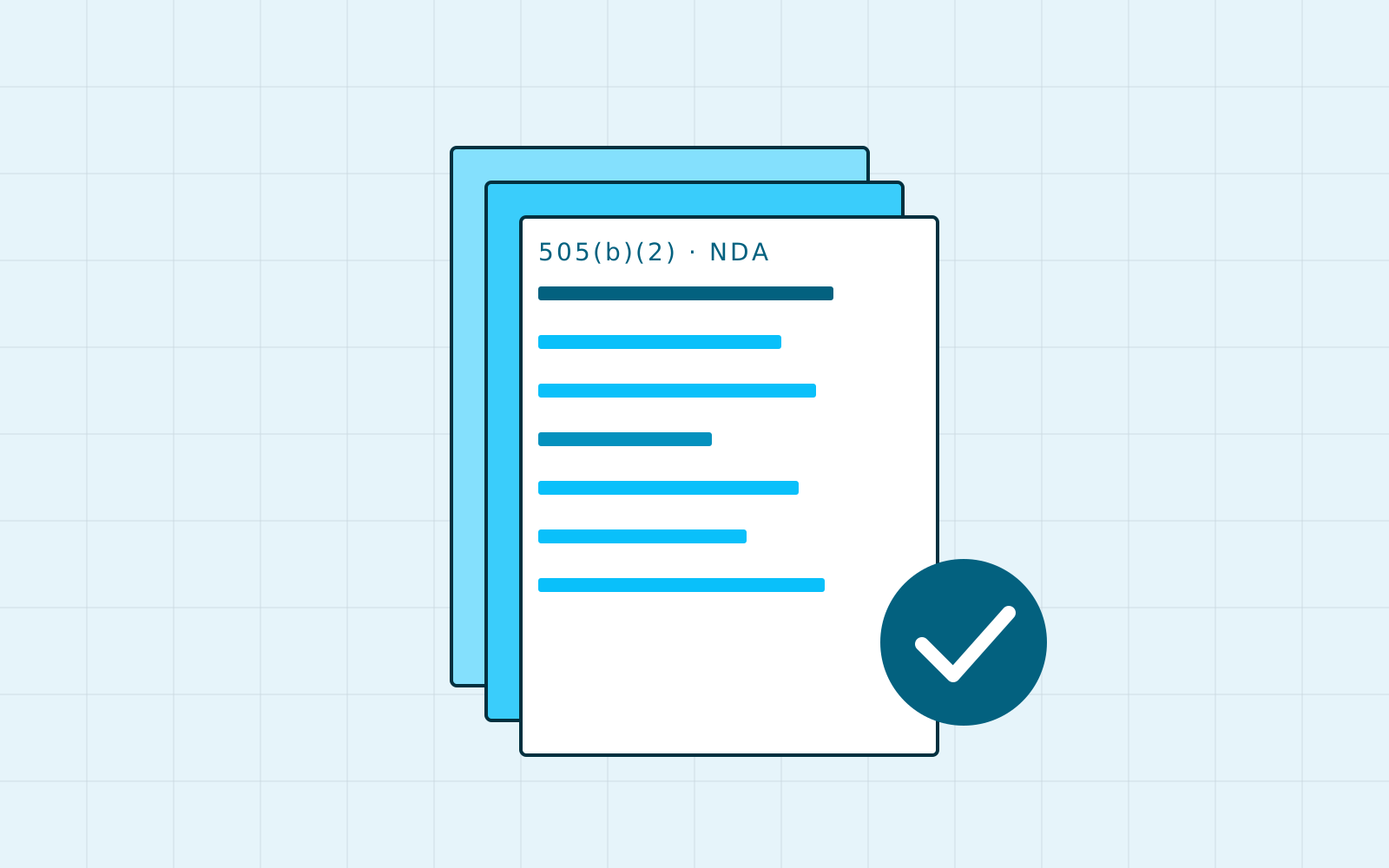
From printing to approval: which routes are open to printed drugs
An FDA-approved 3D-printed tablet has existed since 2015. What the 505(b)(2) route and new FDA programs mean for the industry.
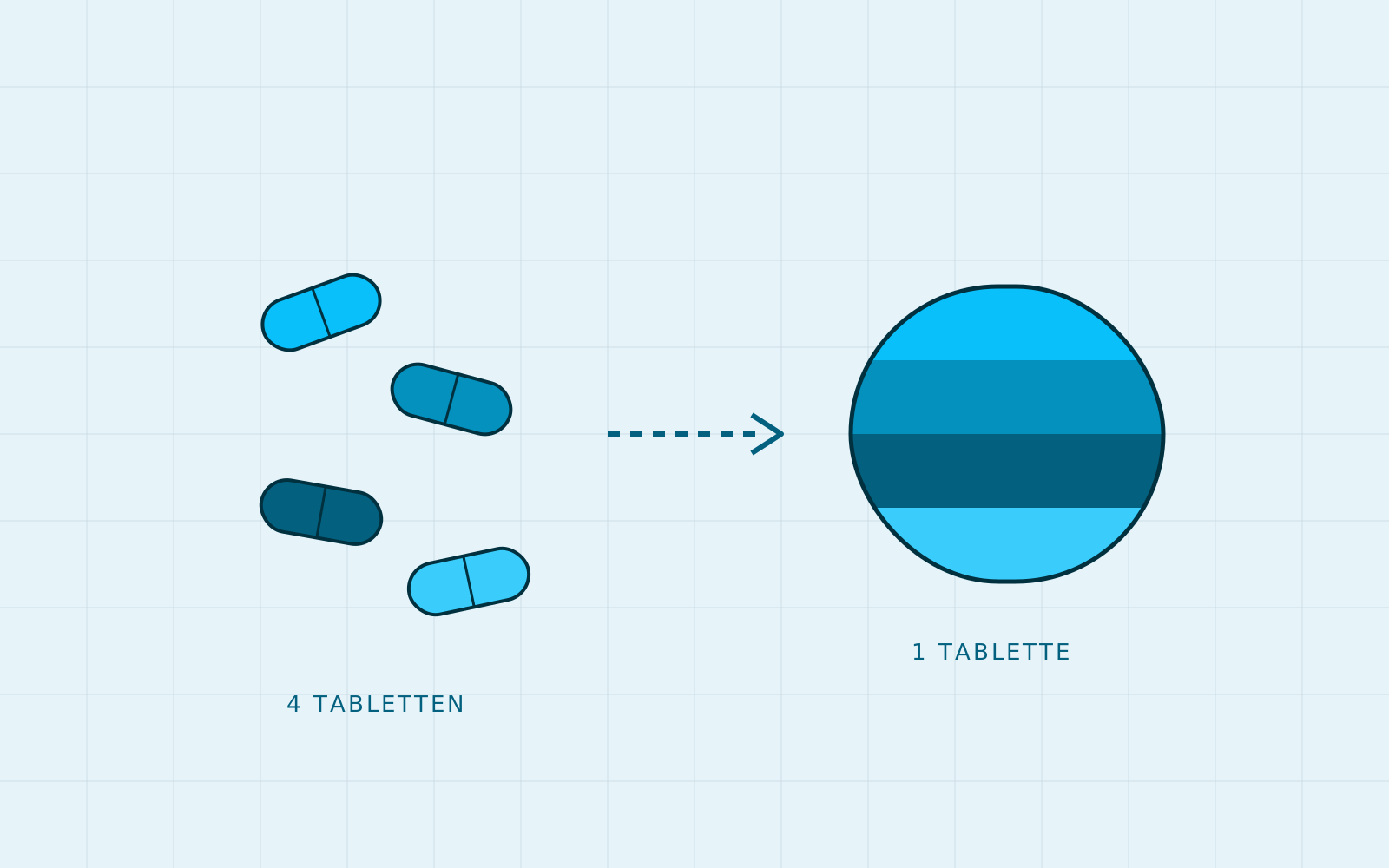
Fewer pills, better adherence? What the evidence on medication adherence says
About half of patients with chronic conditions do not take their medicines as prescribed. What combination products can change.