Freigabe prüfenWiderspricht dem Inhaltsdokument: „Bewusst nicht auf der Website: der regulatorische Stand der Wettbewerber“ (Spritam®/FDA-Zulassung). Beitrag streichen oder ohne Wettbewerber-Abschnitt neu fassen?
Dieser Beitrag erscheint nur im Review-Build, nicht im öffentlichen Build.
From printing to approval: which routes are open to printed drugs
An FDA-approved 3D-printed tablet has existed since 2015. What the 505(b)(2) route and new FDA programs mean for the industry.
Laxxon Editorial
Scientific editorial team
The precedent: Spritam®
In August 2015, Aprecia Pharmaceuticals announced FDA approval of Spritam® (levetiracetam), the first drug manufactured with a 3D printing process. The antiepileptic is approved as adjunctive therapy for partial-onset, myoclonic and primary generalized tonic-clonic seizures. The underlying ZipDose® technology produces a porous tablet that disintegrates with a sip of liquid and still carries a high drug load, according to the manufacturer “up to 1,000 mg in a single dose”.
This showed that an additive manufacturing process can meet the requirements of a drug regulator. For every new technology, however, the question remains which route is the most sensible one for submitting a product.
505(b)(2): new formulation, known active ingredient
In the US, the 505(b)(2) route is often the obvious choice for newly formulated, already known active ingredients. It goes back to the Hatch-Waxman Amendments of 1984. It is a full New Drug Application, but one that may rely in part on data the applicant did not generate itself, such as published studies or earlier FDA findings on an approved reference product.
Typical use cases are new dosage forms, strengths or formulations, new combinations and changed dosing regimens. The route sits between the 505(b)(1) application, which rests largely on the applicant’s own studies, and the generic application (ANDA), which mainly requires proof of bioequivalence. It is considered faster and less costly than a full procedure; complete evidence of safety and efficacy is still required. If a change meets certain conditions, approval can bring three years of market exclusivity.
Adare and Laxxon name the 505(b)(2) route as a possible path for products made with SPID®. According to the company, Laxxon is pursuing it for LXM.2, for example, an oral tablet with a GLP-1 receptor agonist.
It is not the process that gets approved, but the medicine made with it.
New programs for new manufacturing technologies
Besides the application route, early dialogue with the agency is gaining importance. The Food and Drug Omnibus Reform Act (FDORA), part of the Consolidated Appropriations Act 2023, required the FDA to set up a designation program for Advanced Manufacturing Technologies (AMT). The agency published the draft guidance in December 2023.
An AMT designation is meant to allow earlier and more frequent interaction with the FDA. According to the draft, priority goes to technologies that substantially improve product quality or can help address supply shortages. The program is also of interest to technology developers and contract manufacturers who do not file applications themselves.
Sources
- 01Aprecia Pharmaceuticals, FDA Approves the First 3D Printed Drug Product (August 2015)
- 02The FDA Group, FDA’s 505(b)(2) Explained: A Guide to New Drug Applications
- 03Hogan Lovells, Inside the FDA Advanced Manufacturing Technologies Designation Program (December 2023)
- 04Adare Pharma Solutions, 3D Printing: Pioneering a new generation of advanced pharmaceuticals
- 05Patsnap Synapse, Laxxon Medical Unveils Non-Invasive 3D Printed Oral GLP-1 Alternative (June 2024)
This article is an editorial summary of the sources above, with short verbatim quotes. Company statements are marked as such. The content provides technical information and is not medical advice. As of October 2026.
About Laxxon Medical
About Laxxon Medical
Laxxon Medical develops and manufactures oral dosage forms with SPID®, a patented 3D screen printing process that places each active ingredient in its own compartment and defines how and when it is released. Founded in 2017 and headquartered in New York, with research and development in Jena, Germany, Laxxon holds the exclusive worldwide license to this technology for pharmaceutical use.
Read more
All articles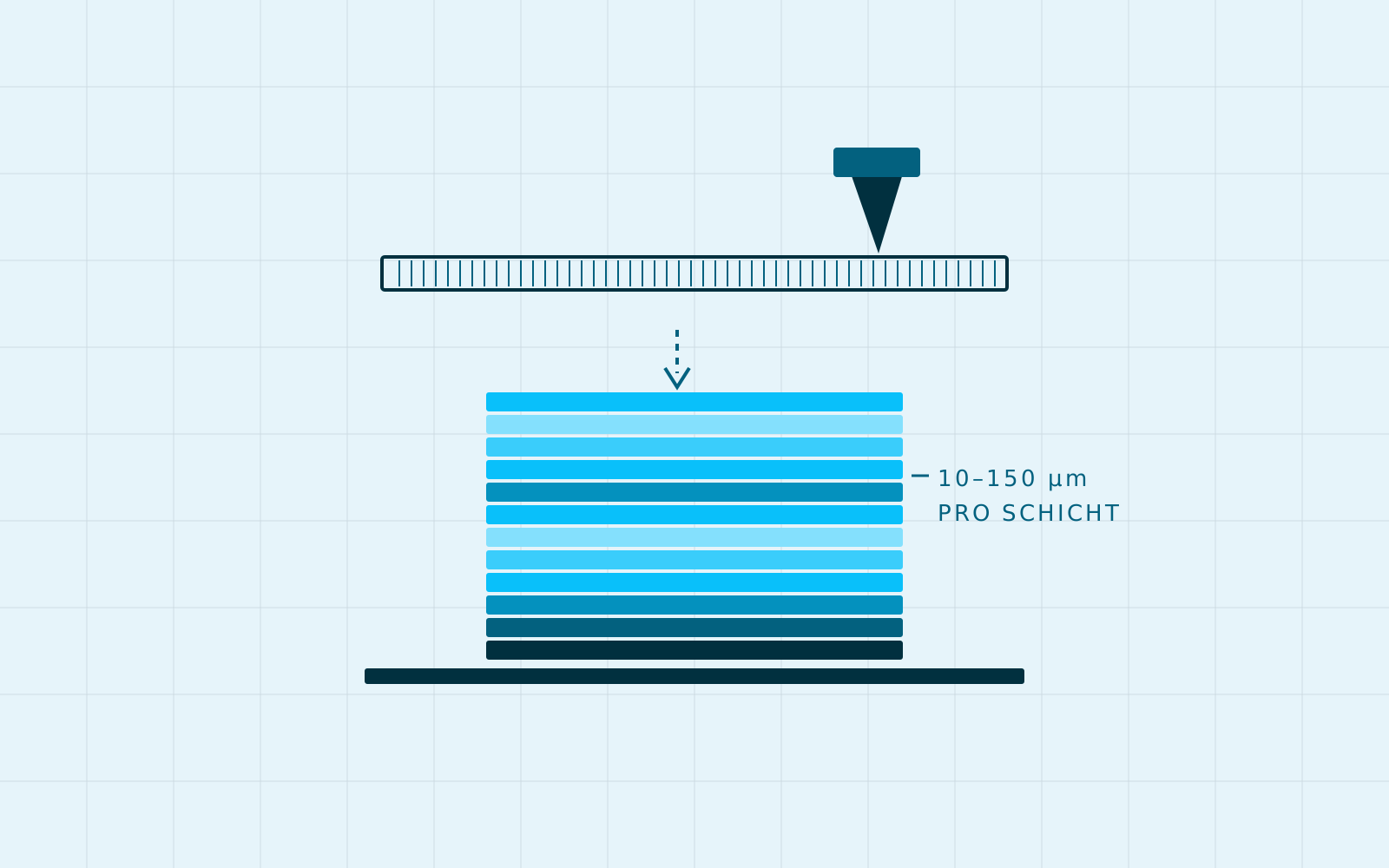
SPID® explained: how 3D screen printing builds a tablet layer by layer
From the screen printing of the graphics industry to a dosage form: why a layer-by-layer process without heat opens up new options for oral dosage forms.
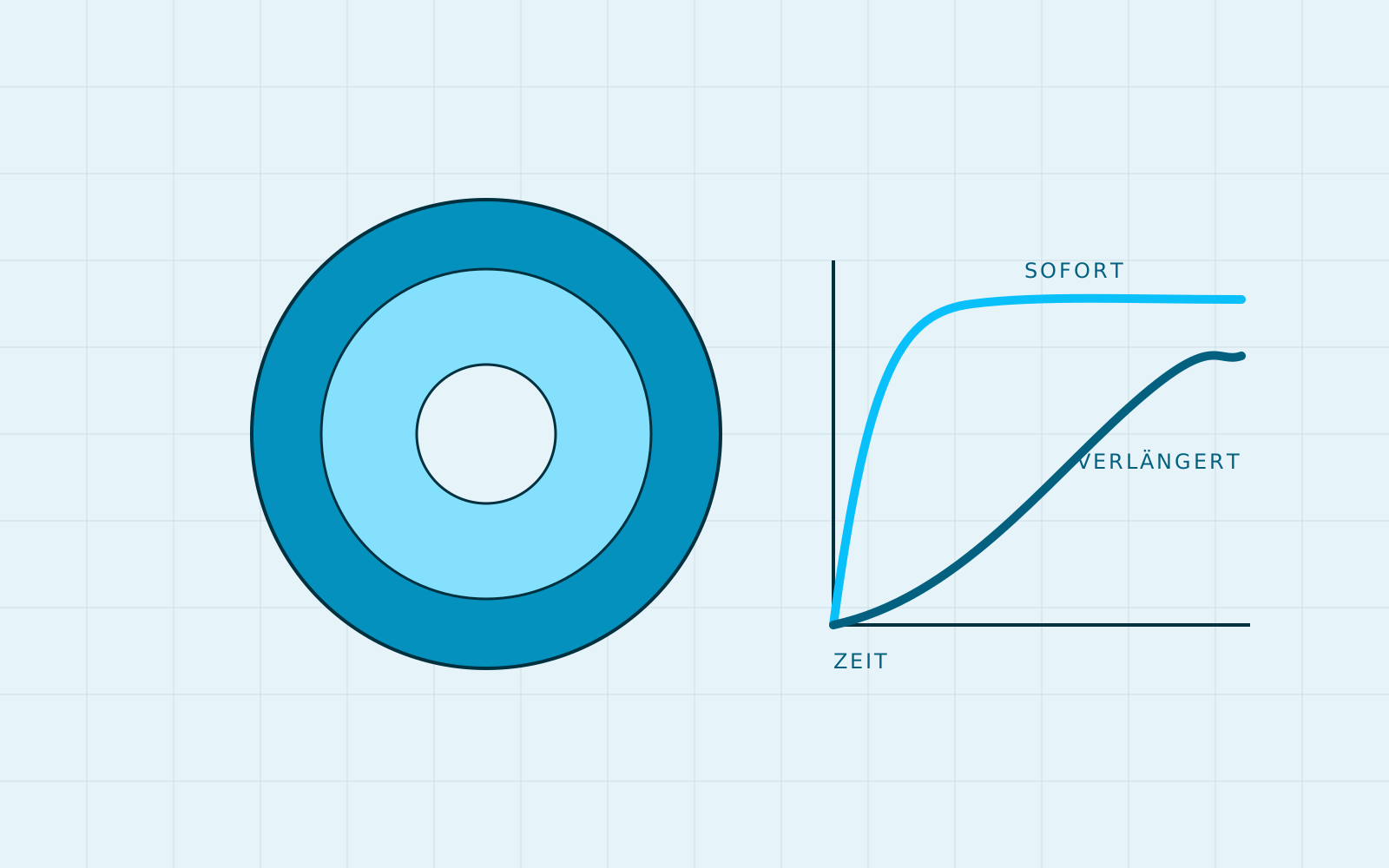
Tailored release: several profiles in a single tablet
Immediate, delayed and extended release in one dosage form: what studies on 3D screen printing show and where the applications lie.
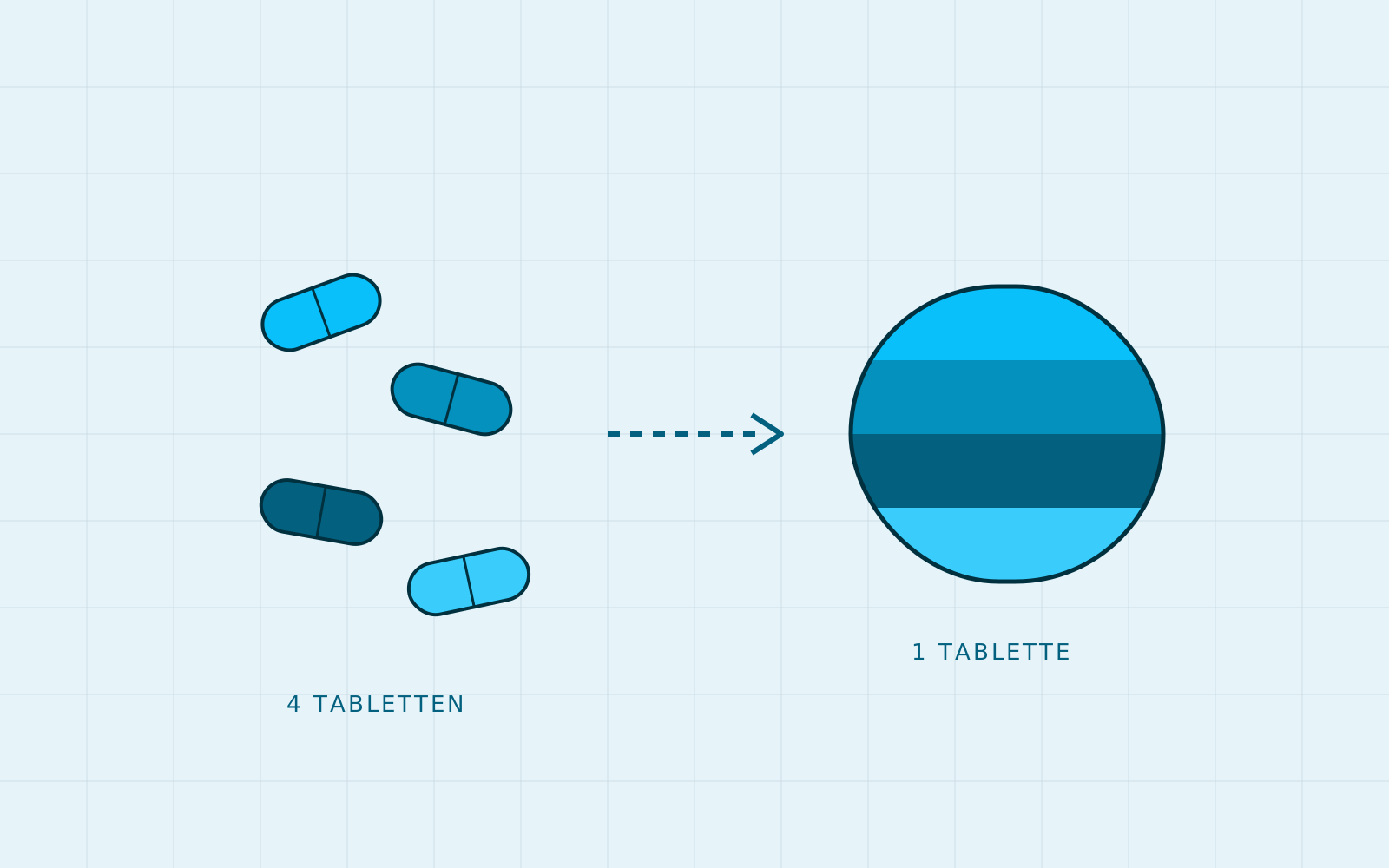
Fewer pills, better adherence? What the evidence on medication adherence says
About half of patients with chronic conditions do not take their medicines as prescribed. What combination products can change.