SPID® explained: how 3D screen printing builds a tablet layer by layer
From the screen printing of the graphics industry to a dosage form: why a layer-by-layer process without heat opens up new options for oral dosage forms.
Laxxon Editorial
Scientific editorial team
A familiar principle, applied anew
SPID® stands for “Screen Printed Innovative Drug”. Behind it is a process that brings two familiar worlds together: flatbed screen printing, as known from graphics and electronics manufacturing, and the layer-by-layer build of additive manufacturing. Instead of compressing a powder blend in a die, the tablet is built from a semi-solid paste that contains the active ingredient and standard excipients.
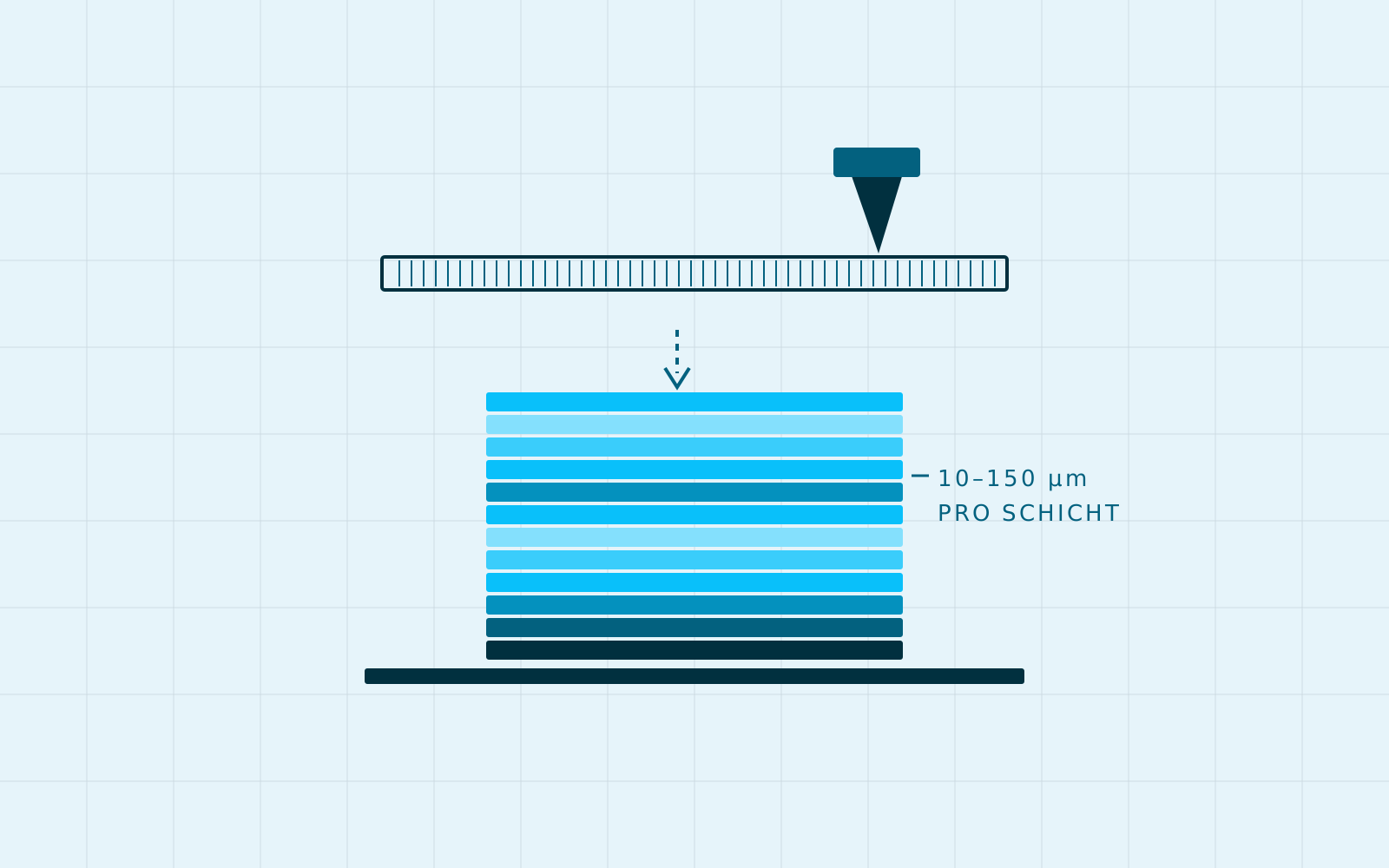
The sequence is quickly described: a thin layer of paste is applied through a screen onto a carrier plate. The plate then moves to a drying station and back to printing until the desired height is reached. According to Adare Pharma Solutions, which offers the technology together with Laxxon at clinical scale, each layer is between 10 and 150 micrometres thick.
No heat
A key difference from many other 3D printing processes is temperature. Fused deposition processes work with heated nozzles, others with lasers. Both limit the choice of active ingredients, because not every substance tolerates heat. Laxxon put it this way to the trade magazine 3D ADEPT: “Unlike 3D printing, our technology does not rely on lasers nor a heated nozzle to administer printed products.” Adare accordingly describes SPID® as a cold process.
A tablet is no longer made in one compression step but layer by layer, and each layer can take on a task of its own.
Shape and inner structure can be chosen freely
Because each layer is defined by its own screen, both the outer shape and the inner structure of a tablet can be designed. Switching between screens and paste formulations produces complex layer structures in which active ingredients are not spread evenly but placed in specific regions. This is what makes it possible to control release profiles.
That printed tablets can meet pharmaceutical requirements was shown by a study published in the International Journal of Pharmaceutics in 2021, with researchers from Laxxon Medical among the authors (Moldenhauer et al.). Tablets of different shapes and sizes were printed from a delayed-release paracetamol paste. Size and mass were uniform, and breaking strength and friability compared favourably with conventionally made tablets. The authors see potential for mass production of more complex oral dosage forms with high reproducibility.
From the lab to series production
For industrialisation, it is crucial that the same principle holds from the smallest batch to large-scale production. According to the company, the technology suits both small batches for preclinical and clinical studies and industrial manufacturing; in 2023 the company cited a capacity of up to 560 million units per year.Freigabe prüfenKapazitätsangabe abgleichen: hier 560 Mio. Einheiten/Jahr (2023), auf „Properties“ 1,5 Mio. Einheiten/Tag
For the clinical phase, Adare offers cGMP manufacturing at its site in Pessano near Milan. Commercial-scale equipment is to follow there at a later date. Laxxon’s research and development is based in Jena.
Sources
- 013D ADEPT Media, Understanding SPID®, Laxxon’s Screen Printed Innovative Drug Technology and its business model (July 2023)
- 02Adare Pharma Solutions, 3D Printing: Pioneering a new generation of advanced pharmaceuticals
- 03Moldenhauer D. et al., 3D screen printing – An innovative technology for large-scale manufacturing of pharmaceutical dosage forms, Int. J. Pharm. 592 (2021) 120096
- 04Laxxon Medical, company website
This article is an editorial summary of the sources above, with short verbatim quotes. Company statements are marked as such. The content provides technical information and is not medical advice. As of October 2026.
About Laxxon Medical
About Laxxon Medical
Laxxon Medical develops and manufactures oral dosage forms with SPID®, a patented 3D screen printing process that places each active ingredient in its own compartment and defines how and when it is released. Founded in 2017 and headquartered in New York, with research and development in Jena, Germany, Laxxon holds the exclusive worldwide license to this technology for pharmaceutical use.
Read more
All articles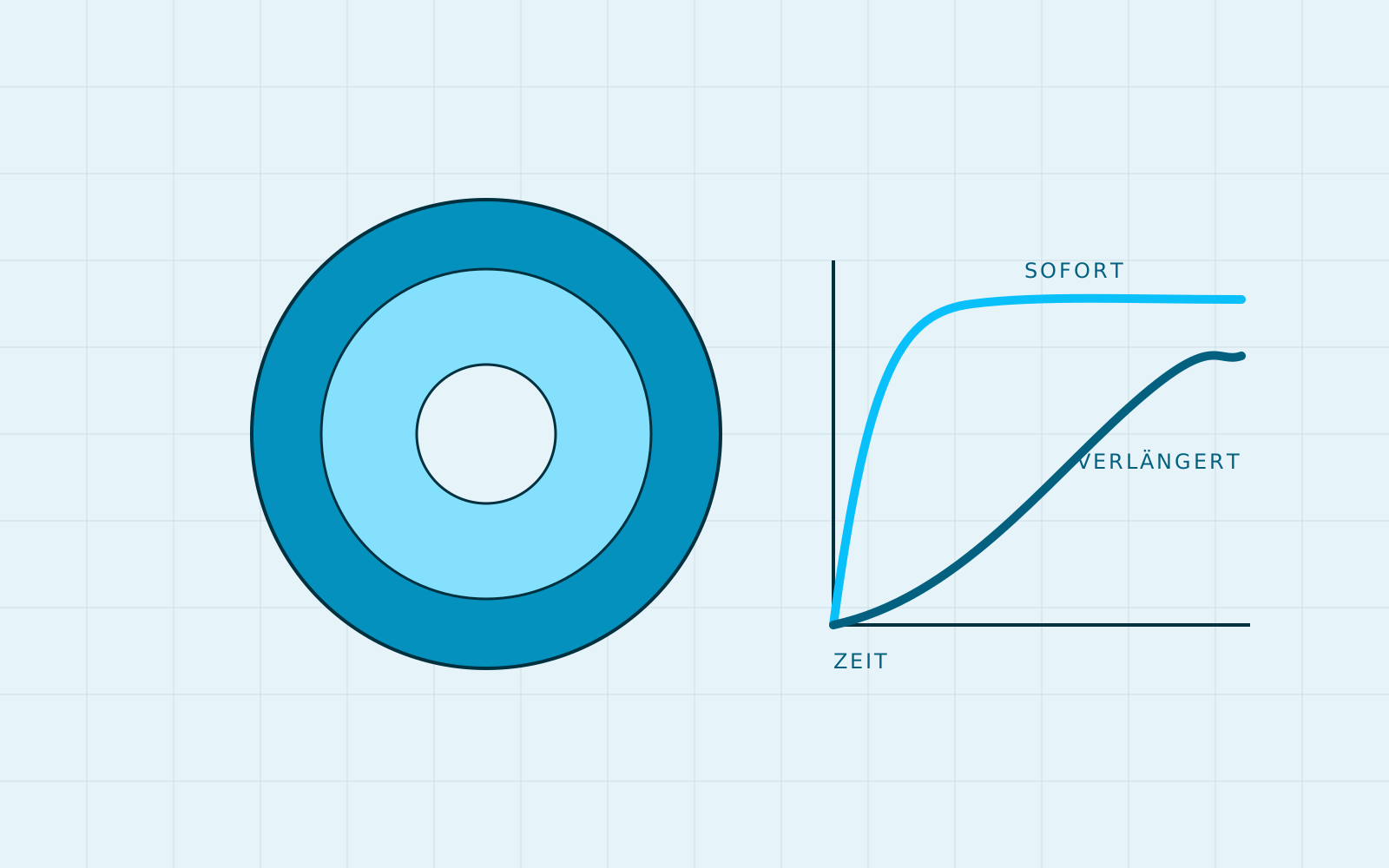
Tailored release: several profiles in a single tablet
Immediate, delayed and extended release in one dosage form: what studies on 3D screen printing show and where the applications lie.
Freigabe prüfenBeitrag mit offenem Prüfpunkt
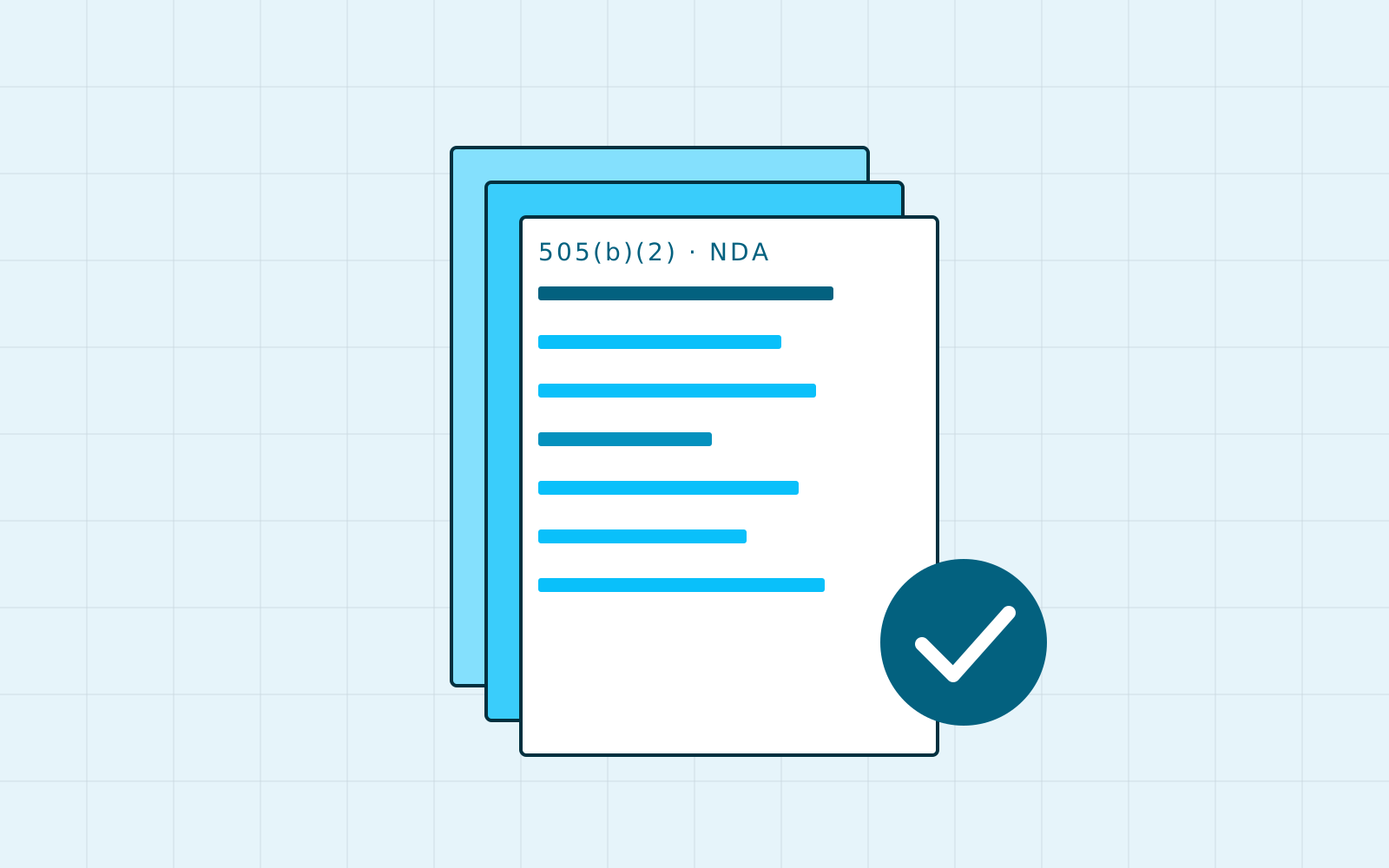
From printing to approval: which routes are open to printed drugs
An FDA-approved 3D-printed tablet has existed since 2015. What the 505(b)(2) route and new FDA programs mean for the industry.
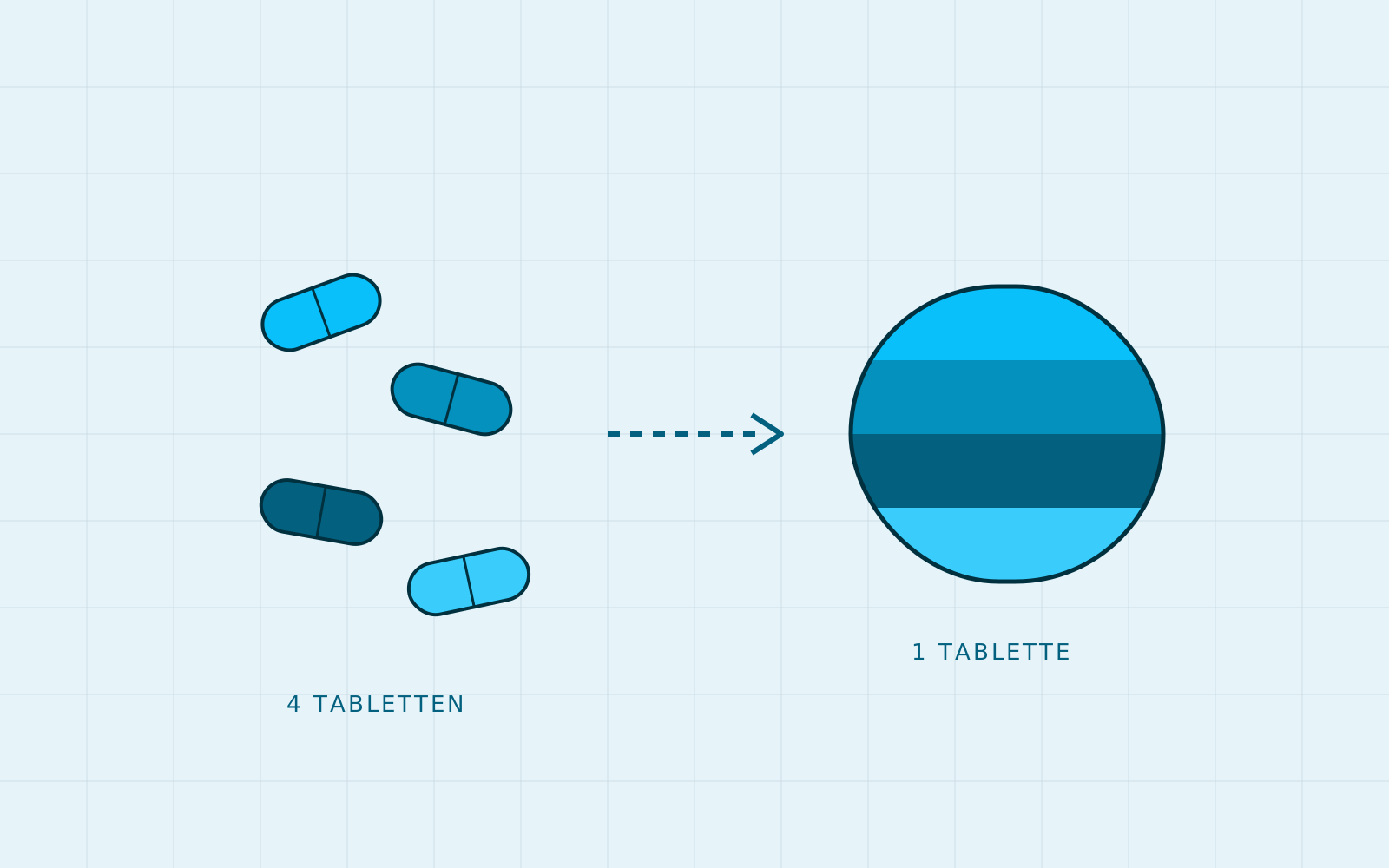
Fewer pills, better adherence? What the evidence on medication adherence says
About half of patients with chronic conditions do not take their medicines as prescribed. What combination products can change.