Library
Knowledge about printed medicines.
Articles on SPID®, 3D screen printing and new oral dosage forms across five topics, editorially summarised from checked sources.
Laxxon Medical in brief
Laxxon Medical in brief
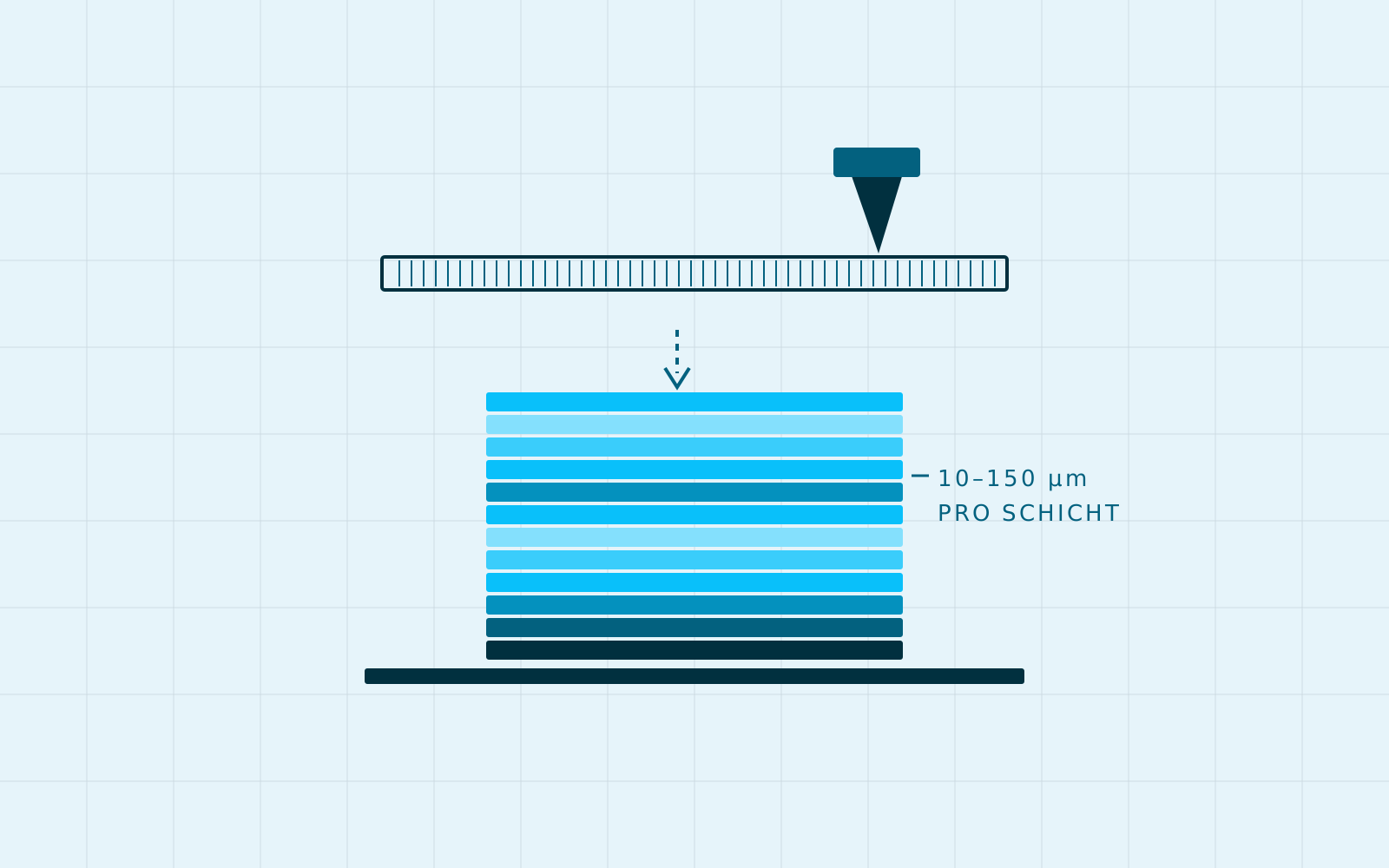
Laxxon Medical develops and manufactures oral dosage forms with SPID®, a patented 3D screen printing process that places each active ingredient in its own compartment and defines how and when it is released. Founded in 2017 and headquartered in New York, with research and development in Jena, Germany, Laxxon holds the exclusive worldwide license to this technology for pharmaceutical use.
- Multi-compartment tablets, printed layer by layer from water-based pastes
- Hundreds of tablets per print cycle, same process from lab to production
- Co-development, Advanced Patented Generics and lifecycle management
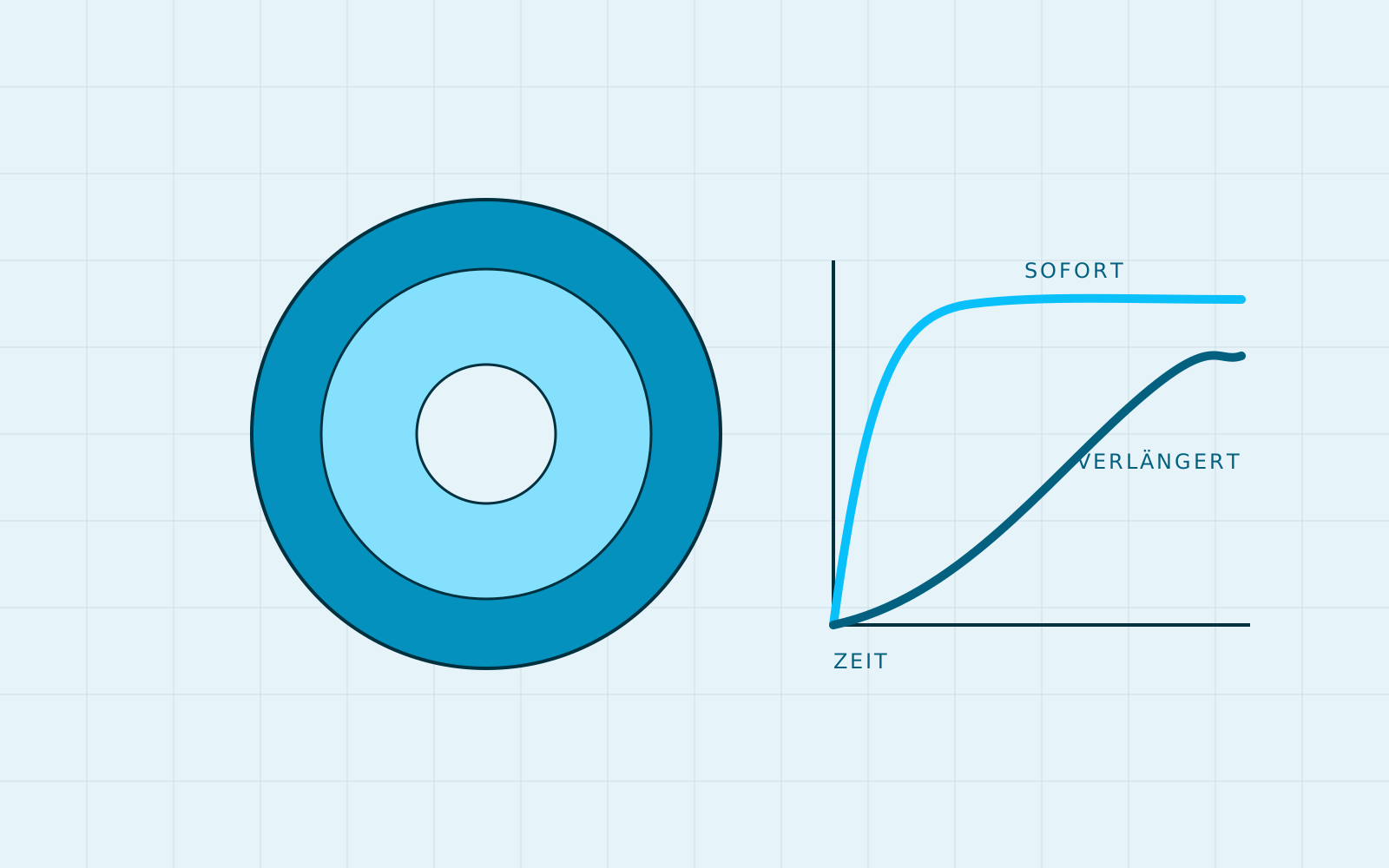
Tailored release: several profiles in a single tablet
Immediate, delayed and extended release in one dosage form: what studies on 3D screen printing show and where the applications lie.
Freigabe prüfenBeitrag mit offenem Prüfpunkt
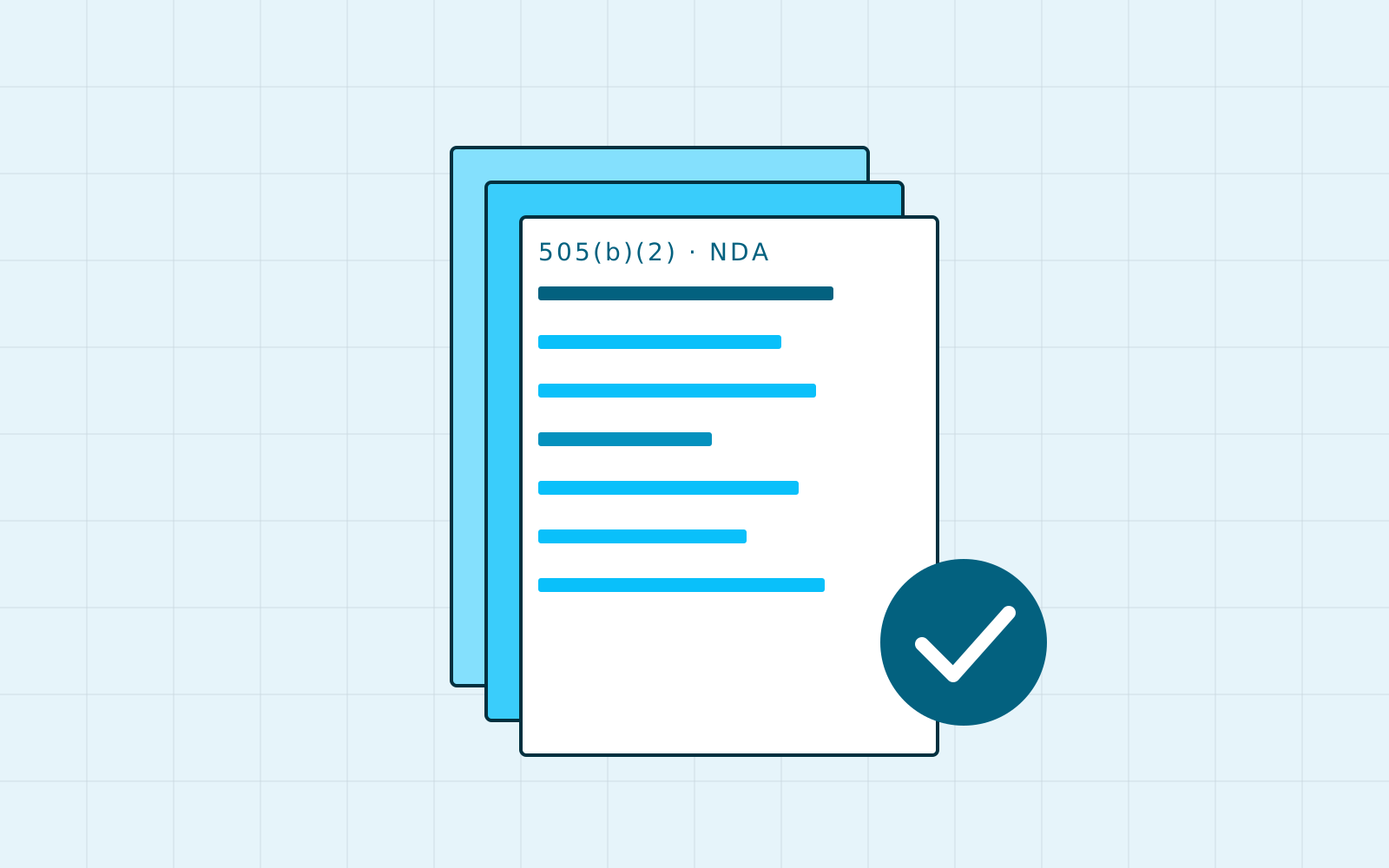
From printing to approval: which routes are open to printed drugs
An FDA-approved 3D-printed tablet has existed since 2015. What the 505(b)(2) route and new FDA programs mean for the industry.
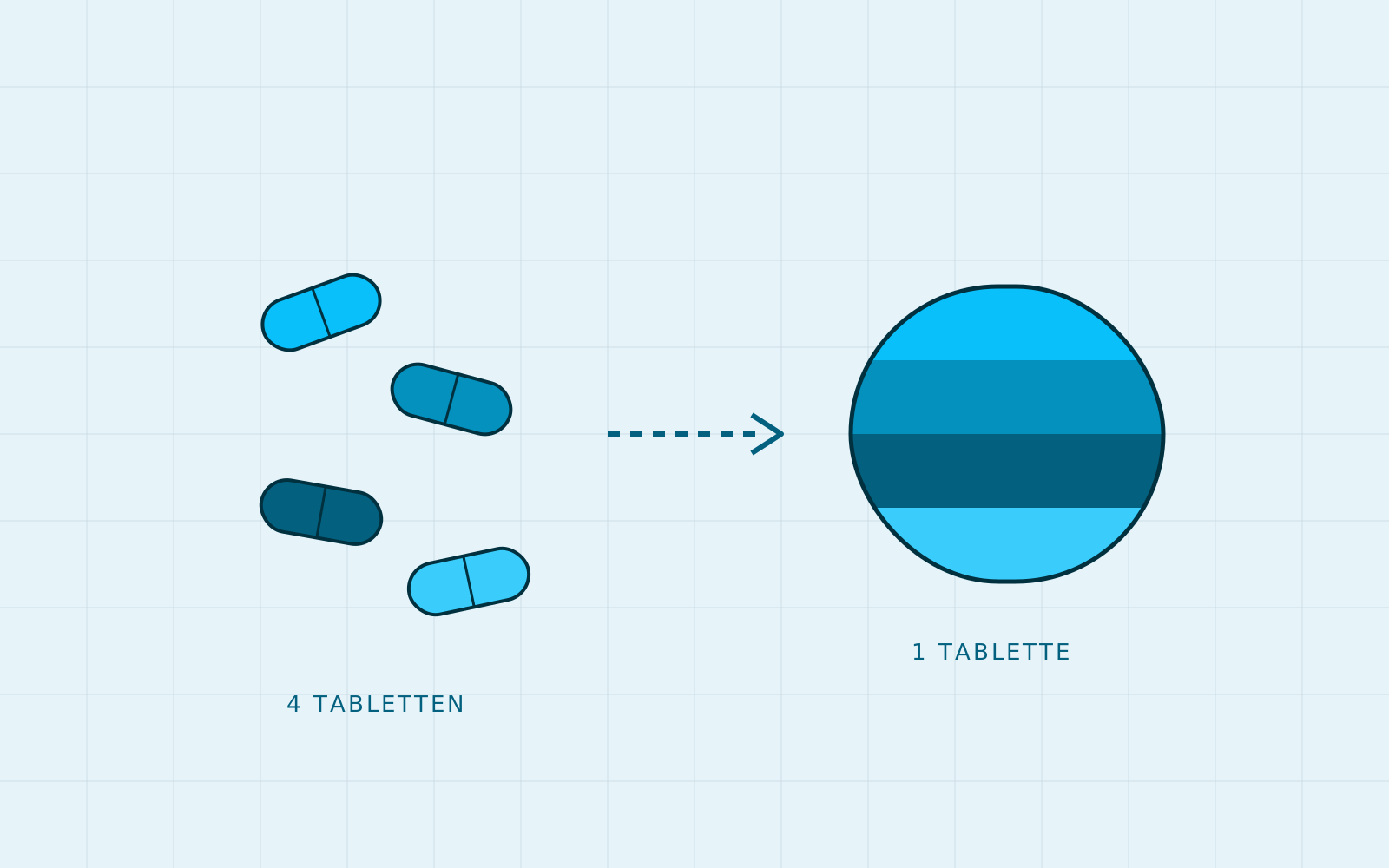
Fewer pills, better adherence? What the evidence on medication adherence says
About half of patients with chronic conditions do not take their medicines as prescribed. What combination products can change.
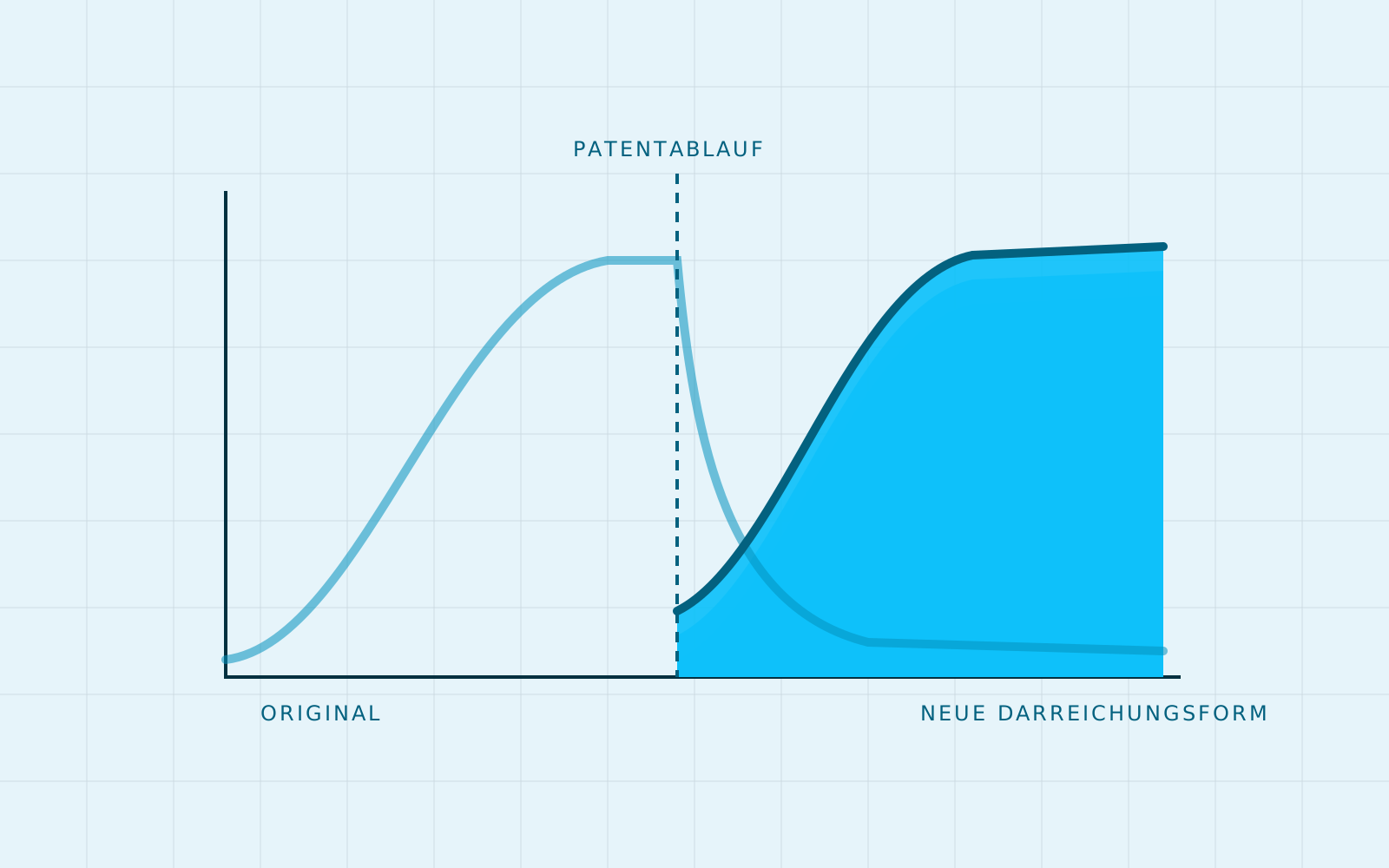
Lifecycle management: rethinking proven active ingredients when patent protection ends
According to Laxxon Medical, more than 150 drugs will lose patent protection in the next ten years. New dosage forms can give known active ingredients a second lifecycle.