Lifecycle management: rethinking proven active ingredients when patent protection ends
According to Laxxon Medical, more than 150 drugs will lose patent protection in the next ten years. New dosage forms can give known active ingredients a second lifecycle.
Laxxon Editorial
Scientific editorial team
The patent cliff
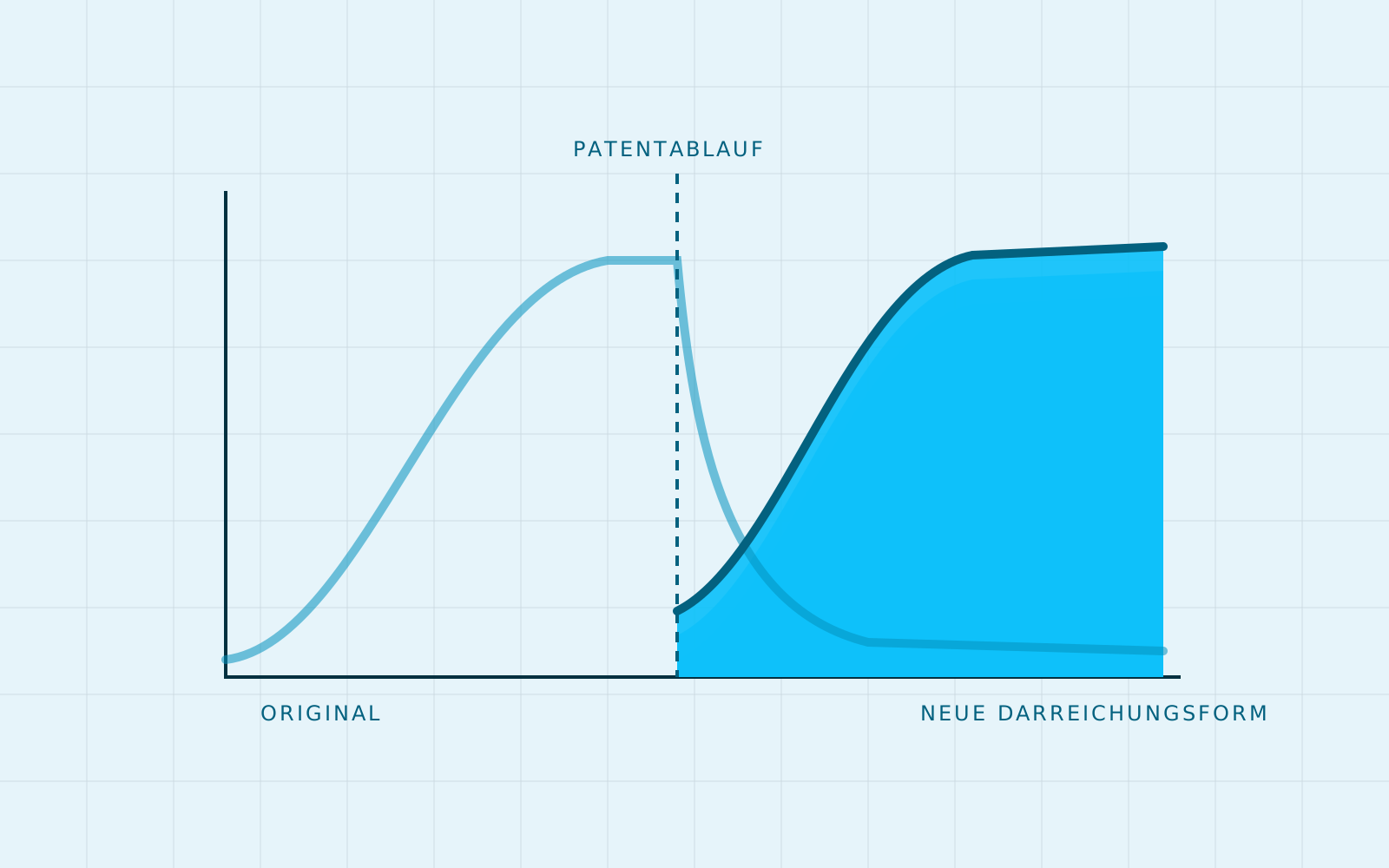
When the patent on a successful drug expires, generics enter the market and sales of the original usually fall sharply. According to Laxxon Medical, more than 150 drugs with combined sales of over 100 billion US dollars will lose patent protection in the next ten years.
Improvement, not a copy
Lifecycle management refers to strategies with which manufacturers preserve the value of an active ingredient beyond the original patent term. A central lever is an improved dosage form: a formulation that needs to be taken less often, a combination of several active ingredients, or a form that is easier to swallow. This only works if the innovation brings a real benefit to patients.
The active ingredient stays the same. What changes is the way it reaches patients.
Regulatory and legal levers
In the US, such a new formulation can be submitted via the 505(b)(2) route, which relies in part on existing data on the known active ingredient. If the change meets certain conditions, three years of market exclusivity are possible.
Then there is protection of the new formulation itself. Laxxon states that all products made with SPID® are patent-protected, whether developed in-house or with partners. When Evonik invested in 2022, the company already stressed that the technology could extend patent protection for existing drugs; Adare also names potentially longer protection of intellectual property as an advantage of the process.
Three ways to work together
Laxxon pursues several models: licensing the technology to pharmaceutical companies, development services up to a manufacturable product, and its own pipeline of so-called Advanced Patented Generics. According to the company, the pipeline currently comprises 13 own products and three projects developed for external customers.
Sources
- 01Laxxon Medical, company website
- 02The FDA Group, FDA’s 505(b)(2) Explained: A Guide to New Drug Applications
- 03Evonik Industries / Laxxon Medical, Evonik Industries and Laxxon Medical see future in 3D screen printed pharmaceuticals (March 2022)
- 04Adare Pharma Solutions, 3D Printing: Pioneering a new generation of advanced pharmaceuticals
- 053D ADEPT Media, Understanding SPID®, Laxxon’s Screen Printed Innovative Drug Technology and its business model (July 2023)
This article is an editorial summary of the sources above, with short verbatim quotes. Company statements are marked as such. The content provides technical information and is not medical advice. As of October 2026.
About Laxxon Medical
About Laxxon Medical
Laxxon Medical develops and manufactures oral dosage forms with SPID®, a patented 3D screen printing process that places each active ingredient in its own compartment and defines how and when it is released. Founded in 2017 and headquartered in New York, with research and development in Jena, Germany, Laxxon holds the exclusive worldwide license to this technology for pharmaceutical use.
Read more
All articles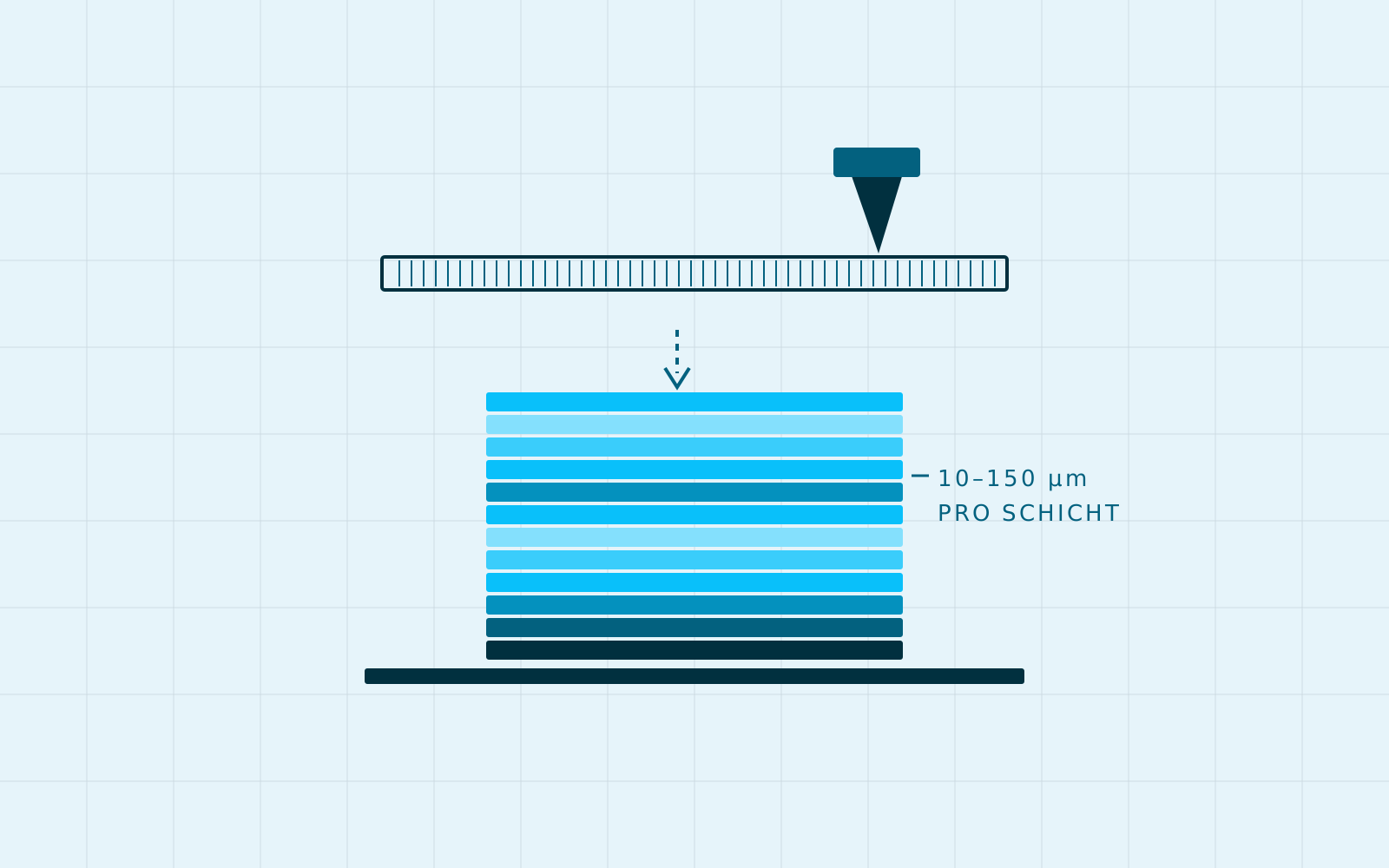
SPID® explained: how 3D screen printing builds a tablet layer by layer
From the screen printing of the graphics industry to a dosage form: why a layer-by-layer process without heat opens up new options for oral dosage forms.
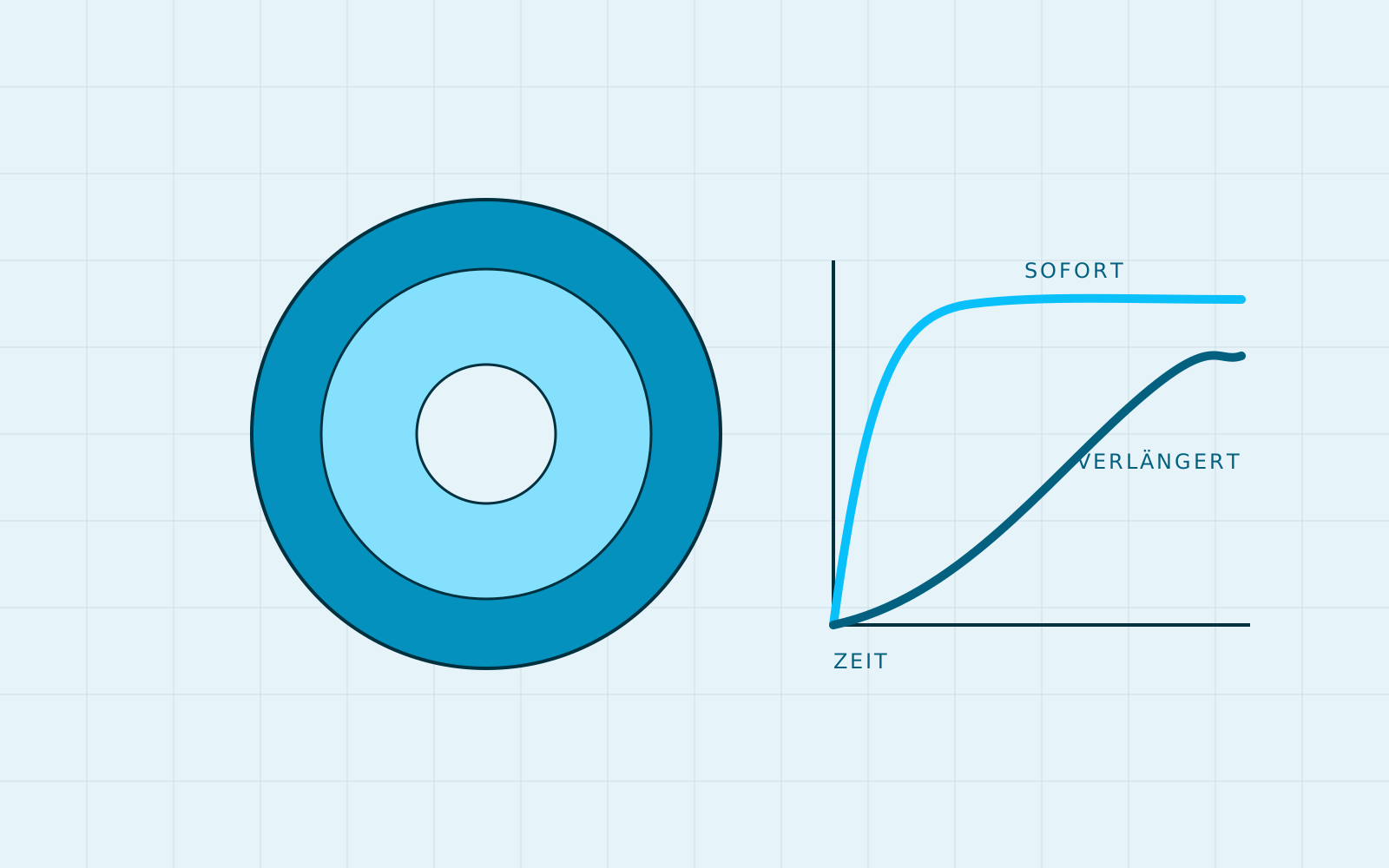
Tailored release: several profiles in a single tablet
Immediate, delayed and extended release in one dosage form: what studies on 3D screen printing show and where the applications lie.
Freigabe prüfenBeitrag mit offenem Prüfpunkt
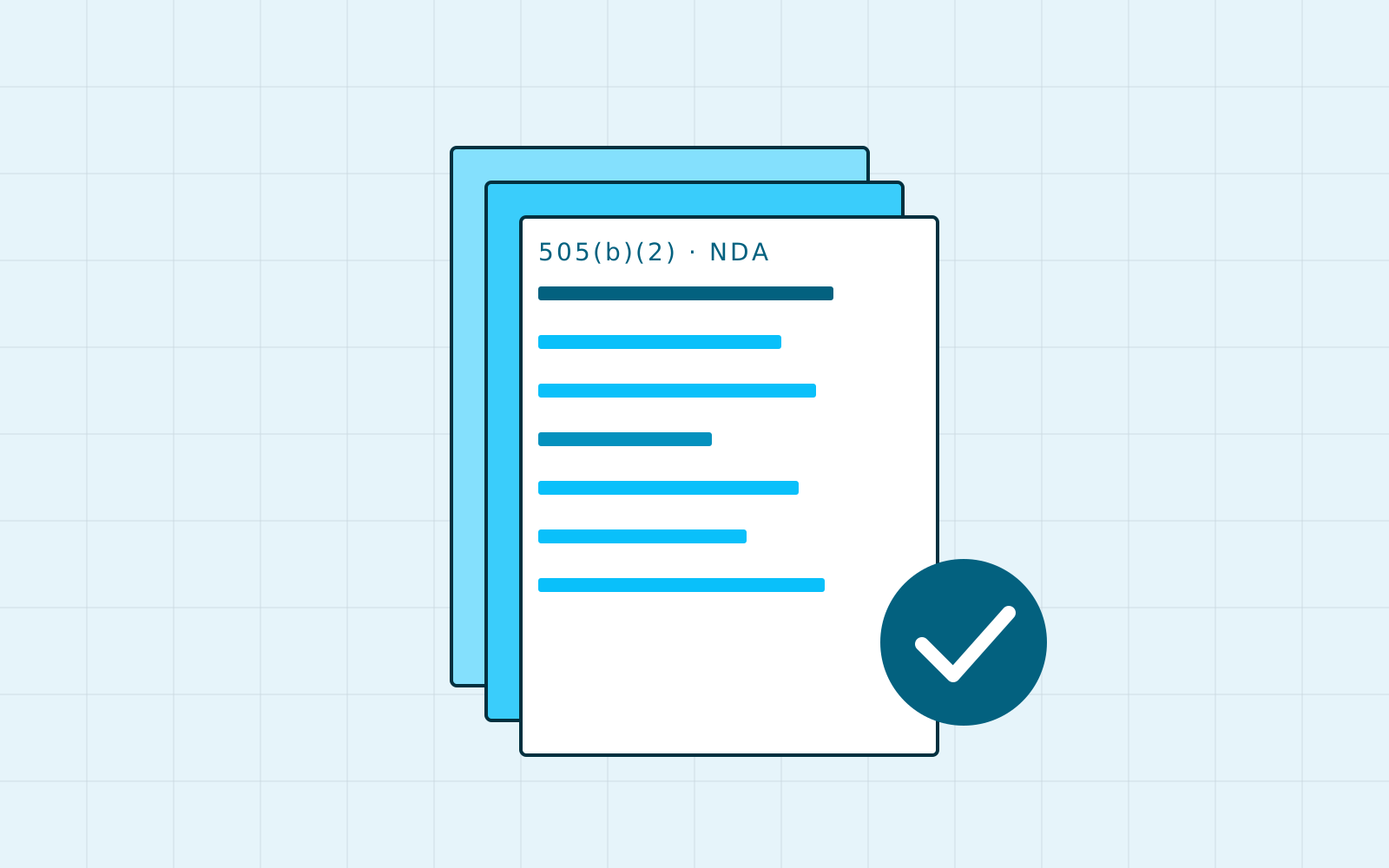
From printing to approval: which routes are open to printed drugs
An FDA-approved 3D-printed tablet has existed since 2015. What the 505(b)(2) route and new FDA programs mean for the industry.